
What Is Allocated Bourbon? The Art of Scoring Bottles

What Is Allocated Bourbon? The Art of Scoring Bottles
Written by Gregg Snyder, Master Distiller
If you’ve ever walked into a liquor store, head held high, looking for a specific bottle of Eagle Rare or Blanton’s only to be met with a sympathetic head shake from the clerk, you’ve met the ghost of the whiskey world. It’s called allocation. Whether you’re just starting your collection or looking for a map to track down your next prize, understanding this system is the difference between drinking greatness and staring at empty shelves.
What Is Allocated Bourbon, Really?
Simply put, allocated bourbon is whiskey that is rationed throughout the supply chain because demand far exceeds the available supply. While it’s often seen as a distributor-level bottleneck, the process actually begins much earlier with the supplier's strategic decisions.
The Supplier Strategy: Scarcity by Design
Allocation starts at the source. Suppliers often limit production to top-performing states or use scarcity as a core marketing strategy to drive brand prestige and consumer fervor. These "Limited Time Offerings" (LTOs) are designed to generate PR and keep "hunters" and collectors engaged. These releases typically fall into two categories:
-
One-and-Done: Unique barrels or blends that are never to be produced again.
-
The Annual Drop: Highly anticipated bottles released once a year to create a recurring seasonal surge in demand.
The Chain of Distribution
Once the supplier sets the limit, the distributor determines how to maximize that limited inventory. Instead of allowing retailers to order freely, distributors "allocate" a tiny number of bottles to specific stores based on sales volume, loyalty, and their ongoing relationship.
The Market Reality
Ultimately, from the supplier to the retailer, every player in the tier system takes advantage of the high-demand, low-supply environment. This ecosystem ensures that by the time a bottle hits the shelf, it has been strategically curated for the most "loyal" accounts, making the hunt for these rare spirits a full-time hobby for enthusiasts.
Why Is One Bourbon Considered "Rare" While Another Is "Allocated"?
In the strictest sense, "allocated" is a logistics term. It’s a way for the three-tier system (distillery, distributor, and retailer) to manage a shortage. While we love to talk about bourbon regulations and the laws that define the liquid, there is no federal law defining what makes a bottle "allocated."
It’s about the math. If a distillery only bottles 1,000 cases of a special release, but 10,000 stores want it, the distributor has to be strategic. Some bottles are naturally allocated because they are limited, like our 250th Anniversary Continental Army Navy Marines edition. Others are allocated simply because they’ve become so trendy that the distillery can’t keep up with the "taters" (the guys who chase hype) buying every bottle in sight.
Why Does Bourbon Allocation Exist in the First Place?
You might think distilleries are just being mean, but it’s actually a side effect of success. The bourbon boom has been running hot for twenty years, and because bourbon doesn’t age in the bottle, distilleries can't just flip a switch to make more 12-year-old whiskey. They are limited by decisions made over a decade ago.
How Long Does the Bourbon Time Lag Actually Last?
If demand spikes today, a distillery can’t have a 10-year-old bottle ready until, well, ten years from now. It’s a slow-motion business. According to industry data from the Kentucky Distillers' Association, Kentucky alone has over 14 million barrels aging, yet demand for premium, well-aged expressions still outstrips what’s ready to be dumped and bottled.
How Does the Three-Tier System Impact Availability?
Because of post-Prohibition laws, most distilleries can't sell directly to you. They sell to a distributor. The distributor has to then prioritize who can order these highly sought after bourbons. Often, they use these rare bottles as a carrot: if you sell 100 cases of their other products, they will let an account buy some of that rare bourbon. Yeah, it happens.
What Are the Different Types of Allocated Bourbon?
Not all allocations are created equal. Some bottles are "soft" allocations, meaning they show up once a month. Others are "hard" allocations, meaning they show up once a year.
-
Yearly Releases: Think Pappy Van Winkle or the Buffalo Trace Antique Collection. These are the crown jewels.
-
Seasonal Drops: Bottles that come out in "waves."
-
Store Picks: These are unique because the retailer actually went to the distillery to choose a specific barrel. This is a great way to explore our spirits and find something truly one-of-a-kind.
What Makes Anniversary Spirits and Birthday Bourbon So Special?
When we talk about special releases, we have to mention one of the most prestigious "anniversary" bottles in the game: Birthday Bourbon. This annual release from Old Forester celebrates the September 2nd birthday of founder George Garvin Brown.
What makes it so special? Every year features a unique, vintage-dated profile that can never be replicated. For the 25th anniversary in 2025, the distillery even experimented with a "sweet mash" process for the first time in the series' history. Because it's pulled from a single day's production, the quantity is incredibly limited (often around 14,000 bottles for the entire world) making it a prime target for allocation.
How Can You Spot an Allocated Bottle Like a Pro?
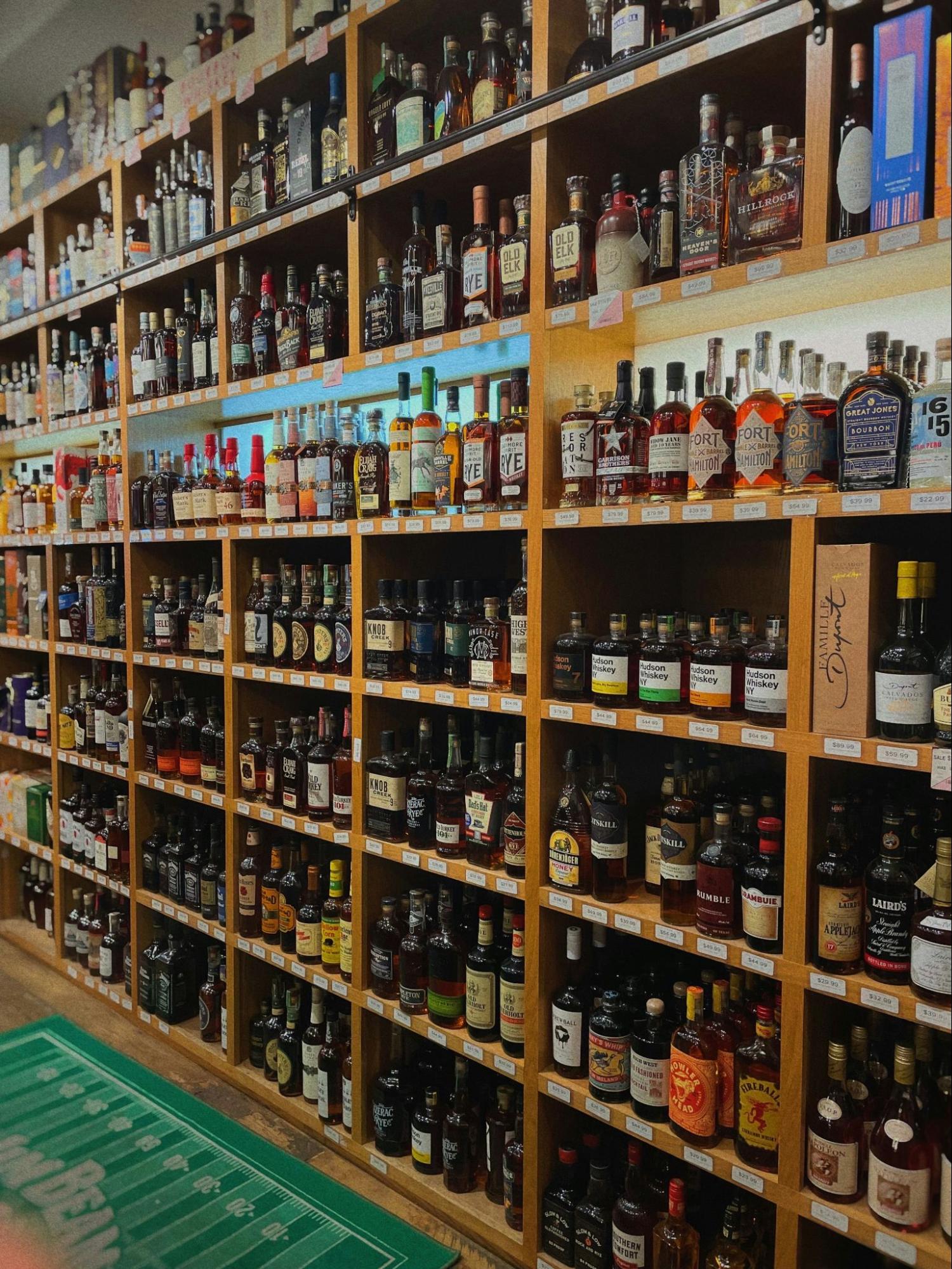
You don't need a PhD in bourbon vs whiskey to know when you're looking at something special. Usually, if it’s behind the glass at the counter or sitting on a "top shelf" with no price tag, it’s allocated.
Another clue? The price. If a bottle that should cost $50 is listed for $250, that store is pricing it at "secondary market" rates. At Four Branches, we believe in integrity, which is why we value transparency over hype. We want you to drink the whiskey, not just look at it in a trophy case.
What Is the Best Strategy to Actually Score an Allocated Bottle?
So, how do you get your hands on these elusive unicorns without paying a month's rent? It takes more than luck: it takes a plan.
Build a Relationship With A Local Store
This is the single most important rule. Don't be the guy who only walks into a store and asks, "You got any Blanton's?" and walks out when they say no. Be a regular. Buy your everyday sippers there. Talk to the staff. Ask about their favorite bourbon cocktail recipes. When the rare stuff comes in, they’ll remember the person who actually cares about the craft, not just the label.
Join the Loyalty Programs
Big-box retailers like Total Wine or local chains often have points-based systems. You buy a bottle of four grain bourbon, you get points. Enough points get you into a lottery for the chance to buy an allocated bottle at MSRP (Manufacturer's Suggested Retail Price). It’s a grind, but it’s fair.
Attend Events
Keep an eye on upcoming events. Distilleries and high-end liquor stores often hold tastings or "bottle drops" during special occasions. It’s a great way to meet our founders and get the inside scoop on when new batches are hitting the market.
Frequently Asked Questions (From the Bourbon Trenches)
How do I find allocated bottles at retail?
Consistent shopping is key. If you support a local store by buying mixers, beer, or non-allocated wine, you help them earn higher allocations from distributors, and they are more likely to reward your loyalty.
Why is my local store marking up prices so high?
Some stores use "market pricing" to prevent flippers from buying a bottle at $50 and selling it online for $500. Others simply want to maximize their profit on a rare item.
Can I get alerts for new drops?
Many independent stores use email newsletters or text notifications to announce when their "allocation" has arrived.
The "Secondary Market" Trap
If you can't find it at retail, you'll find it on Facebook groups or auction sites. Be warned: the secondary market is a den of price-gouging and, occasionally, counterfeits. People will take an empty rare bottle, fill it with cheap swill, and reseal it. Surprise! You just paid $500 for a $15 bottle of rotgut.
This is why we focus so much on our giveback. We want the value of our whiskey to go toward the mission and the community, not a flipper’s pocket.
The Myth of Kentucky-Only Allocation
A common misconception is that all the good stuff stays in Kentucky. While it's true that 95% of bourbon comes from the Bluegrass State, the allocation system actually spreads bottles across the country. Sometimes, it’s easier to find a rare bottle in a random shop in Florida or New York than it is in Louisville, where everyone is hunting for it.
Why "New" Brands are Changing the Game
While the "Legacy" distilleries are bogged down in allocation hell, craft and veteran-owned brands are providing a different path. Bottles like our Folds of Honor collaboration offer a premium experience without the three-year waitlist. By focusing on quality over artificial scarcity, we ensure that the "Art of the Pour" stays accessible to the people who actually want to drink it.
Is Hunting for Allocated Bourbon Actually Worth the Effort?
This is the $500 question . Is an allocated bottle really ten times better than a standard shelf bottle? Usually, no. It’s often a case of diminishing returns. A $60 bottle of well-made bourbon is usually 90% as good as a $600 allocated unicorn. You’re paying for the story, the rarity, and the "flex".
To put those numbers into perspective, here is a breakdown of what you can expect to pay for some of the most hunted bottles versus their actual intended price.
Allocated Bourbon Price Comparison (2026 Estimates)
|
Bourbon Bottle |
Typical MSRP |
Average Secondary Price |
Markup Factor |
|
Pappy Van Winkle 15 Year |
$120–$150 |
$1,999–$2,500 |
~15x |
|
George T. Stagg (BTAC) |
$100–$125 |
$900 |
~8x |
|
Eagle Rare 10 Year |
$35–$50 |
$80–$120 |
~2x |
|
Blanton’s Single Barrel |
$55–$65 |
$100–$160 |
~2x |
|
Weller Antique 107 |
$50–$60 |
$125–$250 |
~3x |
But, when you finally crack that seal with friends after a long hunt, that feeling of relief and delight is hard to beat. Just make sure you’re drinking it for the right reasons.
Check out our press releases to see how integrity in the industry is making a comeback.
Final Thoughts: The Golden Rule of Hunting
If there’s one thing to remember, it’s this: The best bourbon is the one you have in your glass right now. Don't let the hunt for the "unfindable" ruin your appreciation for the "available." There is incredible whiskey sitting on shelves today that would have been considered a "unicorn" twenty years ago.
We’ve seen the market change, we’ve seen the prices skyrocket, and we’ve seen the "allocated" tag become a marketing weapon. But at the end of the day, it's still just grain, yeast, water, and wood.
Ready to stop hunting and start sipping? Find a bottle of Four Branches bourbon near you. →